
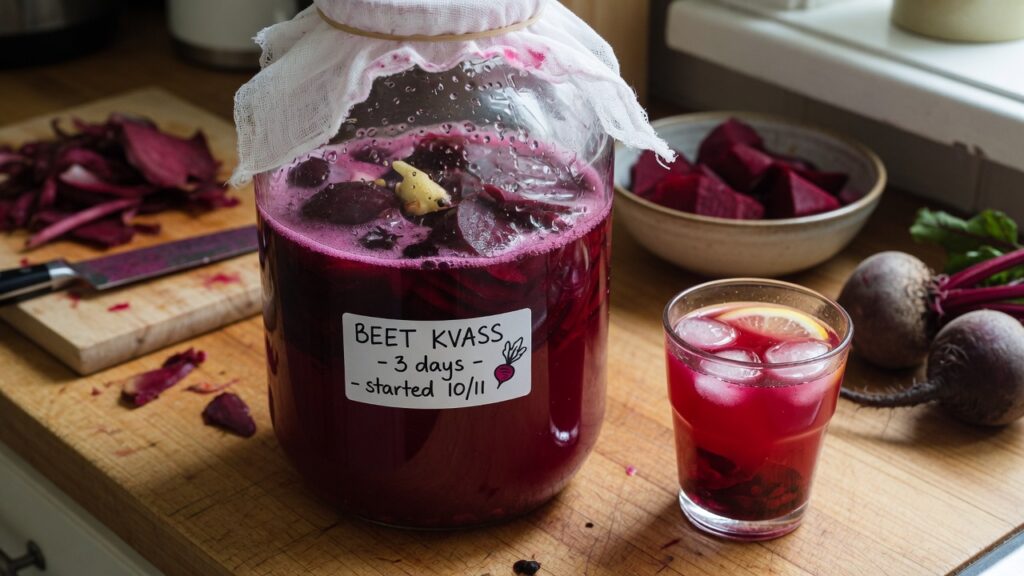
Beet Kvass

Beets have a therapeutic effect on the liver and gallbladder already but when you make this fermented beverage you will also add great benefits to the digestive tract.
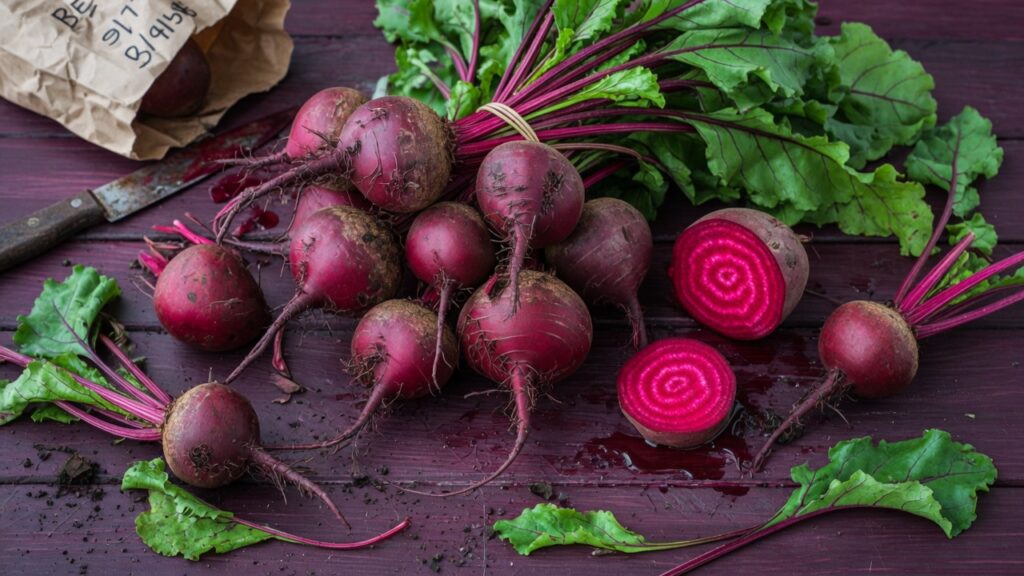
Beet kvass is a traditional Eastern European fermented drink made by brining and fermenting beets (often with salt, water, and sometimes garlic, ginger, or herbs). It combines the nutritional power of beets with probiotic benefits from lactic acid fermentation, resulting in a tangy, earthy, slightly salty beverage that’s lower in sugar than plain beet juice.
Key Nutrients
A typical serving (around 4–6 oz) provides:
- Probiotics and enzymes from fermentation.
- Vitamins: A, C, B vitamins (including folate).
- Minerals: Iron, calcium, magnesium, potassium, manganese.
- Phytonutrients: Betalains (antioxidants/anti-inflammatory), betaine, and natural nitrates (converted to nitric oxide in the body).
- Fiber and some protein, with reduced sugar due to fermentation.
Main Health Benefits
Here are the primary reported benefits, supported by traditional use, observational evidence, and some studies on beets/fermented beet juice:
- Gut Health and Digestion As a probiotic-rich fermented food, it supports a healthy gut microbiome, aids digestion, reduces bloating, and promotes regularity. Probiotics may improve nutrient absorption, help with issues like lactose intolerance symptoms, and support immune function (much of which resides in the gut). Animal studies show fermented beet juice positively modulates gut flora and metabolic activity.
- Liver Support and Detoxification Beets’ betalains and betaine help reduce oxidative stress and inflammation in the liver, supporting detoxification, bile flow, and toxin elimination. Traditional folk medicine uses it as a liver tonic and blood cleanser.
- Cardiovascular Health Nitrates boost nitric oxide, which dilates blood vessels, improves circulation, and can help lower blood pressure. Antioxidants combat oxidative stress, potentially benefiting heart health and reducing related risks.
- Athletic Performance and Endurance The nitrates enhance oxygen use and blood flow, which studies on beetroot juice link to better endurance, reduced muscle soreness/fatigue, and improved exercise tolerance. Beet kvass offers similar effects in a probiotic package.
- Anti-Inflammatory and Antioxidant Effects Betalains and other compounds fight inflammation and oxidative damage, which may support overall wellness and lower risks for chronic conditions. Fermentation can enhance some of these bioactive compounds.
- Other Potential Benefits
- Immune support (via probiotics and vitamin C).
- Possible anti-cancer properties (antioxidant/anti-inflammatory effects; used traditionally in some European therapies).
- Blood tonic effects (alkalizing and supporting red blood cells).
- General energy, hydration, and metabolic support.
Many benefits stem from beets themselves, amplified by fermentation (better bioavailability, added probiotics, lower sugar). Evidence is stronger for beetroot juice/nitrates than specifically for kvass, but studies on fermented beet juice support gut and antioxidant effects.
Main Ingredients:
- beets
- distilled water
- sea salt
The simplest way to make this beverage is to fill a one gallon container (must have a lid) 1/3 full with cubed unpeeled beets. Add the distilled water and fill one inch from the top. Add 3-4 tbsp of salt, cover with lid, and set aside in a dark corner at room temperature for 3-4 days (may take longer to ferment during cooler temperatures).
When the beets are slightly bubbly, but not moldy, then it is done. Mold is not bad but be sure to scrape it off. At this point, the beets can be removed or they can be left in (most people do not eat the beets).
Refrigerate and consume 4 oz. daily
Potential Side Effects and Cautions
- Mild digestive upset (gas, bloating, nausea) when first introducing probiotics—start small (e.g., 1–4 oz diluted) and increase gradually.
- Beets can turn urine/stools pink/red (harmless beeturia).
- High oxalate content in beets may concern those prone to kidney stones (fermentation may help somewhat).
- Generally safe, but consult a doctor if pregnant, on blood pressure meds (due to nitrates), or with kidney/liver issues. Homemade versions risk contamination if not prepared hygienically.
Beet kvass is a nutritious, low-calorie tonic that’s easy to make at home or buy (look for unpasteurized, live-culture versions). It’s traditionally sipped straight, used in soups like borscht, or diluted as a daily shot. As with any fermented food, consistency and moderation yield the best results. If you have specific health conditions, make an appointment with me.
Dr. Cassone




Responses