
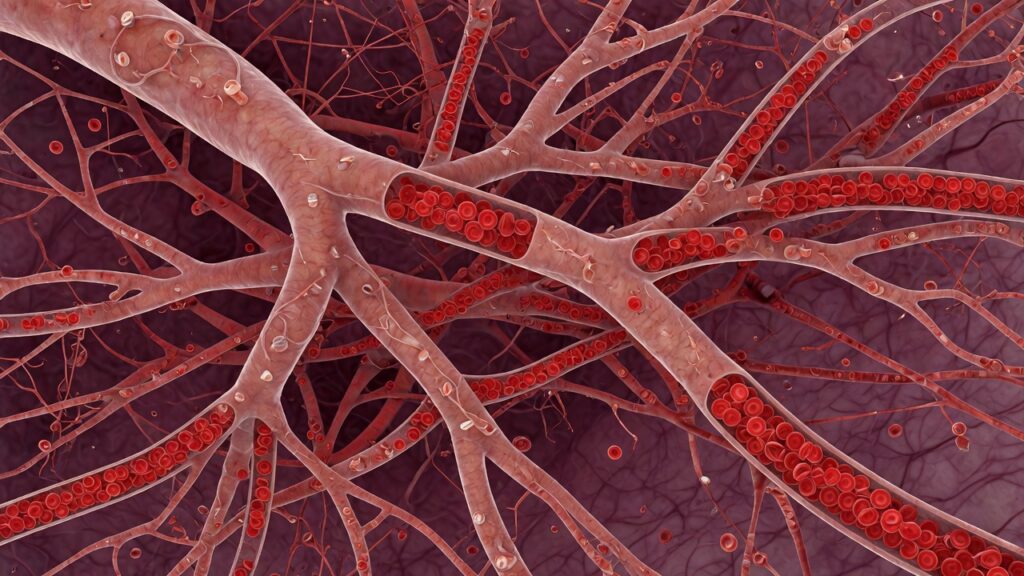
Stroke Symptoms

Two Main Categories of Stroke:
- hemorrhagic
- ischemic
Hemorrhagic stroke occurs when a vessel ruptures in the brain. Ischemic stroke occurs when blood flow is blocked (typically from a clot). Blood thinning medications are used when there is a blockage or a clot to get the blood moving again and prevent future clots. However, this would be contraindicated (a risk for disaster) for a patient prone to vessel ruptures because it would prevent the blood from sealing up the brain bleed which would then continue causing severe brain damage.
A Transient Ischemic Attack (TIA), or “mini-stroke,” occurs when a small vessel in the brain is blocked by a clot causing mild stroke symptoms, such as memory loss, weakness, or trouble speaking. A TIA will self-resolve but is a serious sign that a more serious stroke event is likely on the horizon. TIAs are also part of the Vascular Dementia picture and any impaired blood flow in the brain leads to deterioration of brain health and brain function.
In 2021, 1 in 6 deaths from cardiovascular disease was due to stroke. Every 40 seconds, someone in the United States has a stroke. Every 3 minutes and 14 seconds, someone dies of stroke. Every year, more than 795,000 people in the United States have a stroke.1
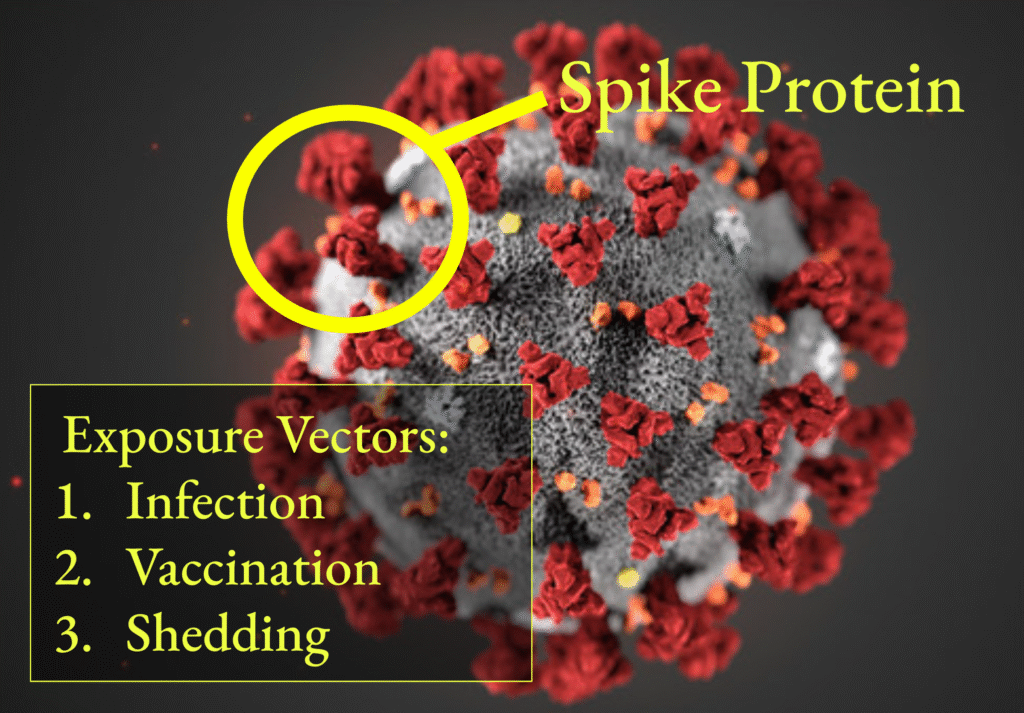
Since COVID, there has been a dramatic increase of strokes due to the exposure to spike protein, which damages the blood directly, inflames the blood vessels, and causes irregular blood flow patterns. The spike protein comes from the outer spike of the SARS-CoV-2 virus but is also produced by the mRNA vaccines (which explains the side effect of stroke from the shots). Although the virus is not as deadly as it was in 2020, it is still cycling through populations causing circulatory issues. If someone is already prone to circulatory problems or if they are unknowingly at risk of a stroke, then a COVID infection could still cause a stroke.
If you get a cold or flu but experience blood flow symptoms such as brain fog, vision blur, sudden hair loss, poor erectile quality, numbness and tingling in the extremities, heart palpitations, or if your tongue body color starts to look purplish then see me right away. Here’s a video on tongue diagnosis.
Stroke Symptoms:
If these symptoms present, seek emergency medical attention right away.
- confusion
- trouble with speaking/understanding
- headache
- numbness of the face, arm or leg, particularly on one side of the body
- visual disturbance
- dizziness/trouble walking
- Centers for Disease Control and Prevention ↩︎
Dr. Cassone




Responses